Search
Browse All USCA.edu
USCA alumna turns grandfather’s memory into digital poetry
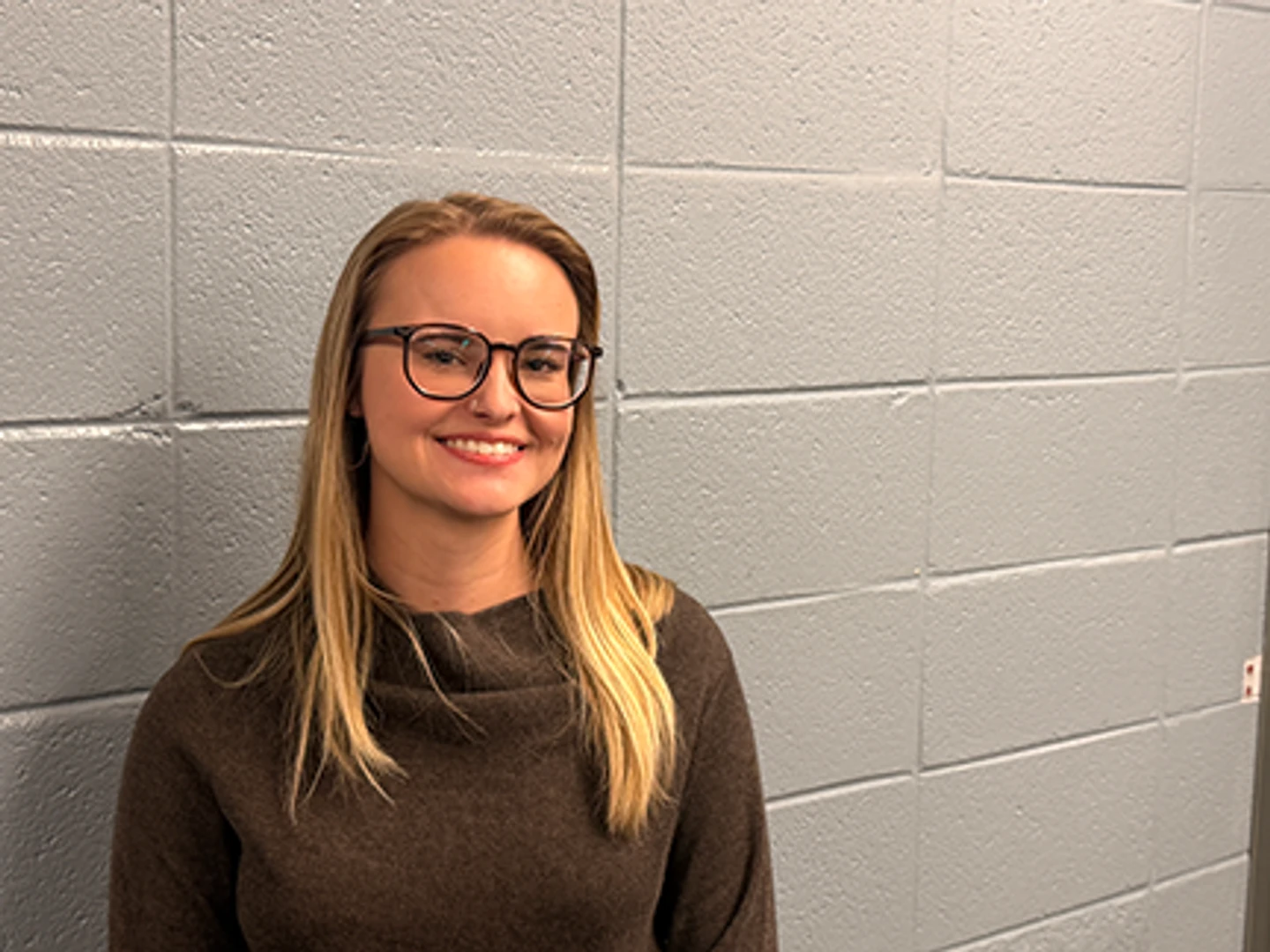
Poet and reporter Erin Weeks, USCA ’23, followed her artistic passions to a poetry showcase in New York City — and back to the memory of her late grandfather.
“My grandfather was a great man, and a nerd in the most endearing way. He loved science fiction, computers, his many cameras, and the movie 'Short Circuit.’ I think he would’ve gotten a kick out of knowing his memory is preserved online in this poem,” Weeks said.
Weeks spent the latter half of her summer in a five-week virtual poetry workshop through New York City’s School of Poetic Computation, which blends art and technology. Students who completed the course were invited to share their work at a New York City showcase.
“It was something totally new for me, as the focus was on poetry relating to technology, something I’ve never written about,” Weeks said. “My writing is usually centered around nature and nostalgia, and I don't know much about coding or computers.”
While she’s always written poetry, the workshop prompted Weeks to draw on her grandfather’s love for computers, technology and photography. Preserving those memories was especially meaningful to Weeks, as many of the photos her grandfather took were lost after his equipment was damaged.
“Stepping out of my comfort zone for this workshop gave me a chance to be creative in a new way, and it resulted in me writing something that captured my grandfather's memory in a way that was true to him,” Weeks said.
Her poem meditates on the nature of digital memories and is titled “Love is Not a Malfunction.” She said that the poem’s online formatting, including the website she created to host it, is part of her artwork and pays homage to her grandfather’s penchant for technology.
“When it comes to coding, I have minimal knowledge,” Weeks said. “Making the website was a bit of a challenge and involved a lot of Googling and some frustration. But I'm happy with how it turned out and am now open to considering other alternative mediums for poetry.”
Weeks majored in emerging media at the University of South Carolina Aiken. While on campus, she contributed to "Broken Ink" and wrote for "Pacer Times," the student newspaper.
“I think so much of my university experience helped prepare me to undertake a project like this,” said Weeks, who worked for the "Aiken Standard" and regularly covered USCA.
“Intensive writing courses that I participated in as a student have helped me understand how to manage the workload of a poetry workshop like the one I took this summer.”
Dr. Forrest Anderson, dean of the College of Arts, Humanities, and Social Sciences at USCA, said extracurricular organizations like "Broken Ink" give students experience beyond the classroom.
“Extracurricular work like "Broken Ink" is where students stop practicing for the real world and start doing real work,” Anderson said. “When students edit a magazine, they make decisions together, meet deadlines and put their own writing in front of an audience. That last part matters most.
"The classroom gives students the craft; activities like these give them the confidence to share it.”
As she continues to grow as an artist, Weeks urges fellow Pacers to search for and embrace new opportunities.
“This year I set a goal for myself to see how many times I could get rejected, because when you open the door up for rejection, you’re also opening it up for success. That mindset got me into this workshop and is how I found myself presenting my work in NYC. In May, I had no idea this would happen,” Weeks said.
Weeks also reminds other artists that the destination isn't always the point.
“Push yourself to explore new mediums and different outlets for your art, because you never know what you’ll learn about yourself along the way,” she said.
In the spirit of artistic exploration, Weeks has set out to establish new outlets for creative people, like the poetry open-mic group she organizes and co-hosts, known as “Dragonfly Spoken Word”. She invites the campus community, including alumni, faculty and staff, to participate.
“We would love to get some USCA students involved to share their writing work or to just listen,” Weeks said. “Open mics are a fantastic way to get students comfortable speaking in front of a room, and it’s always good for writers to hear what others are writing.”